Rooted in Care,
Growing with Wonder,
Blooming Togheter.
FFB StoryFFB was founded on a simple belief: education begins with connection. Connection to oneself, to others, to nature and to the wider world. We see childhood as a time of wonder, discovery and meaningful exploration: a time when questions are valued as much as answers. Through creativity, freedom and care, children develop confidence, curiosity, empathy and a sense of belonging. FFB is a vibrant learning community where children are empowered to grow into thoughtful, capable individuals who trust themselves and engage with the world with openness and purpose.
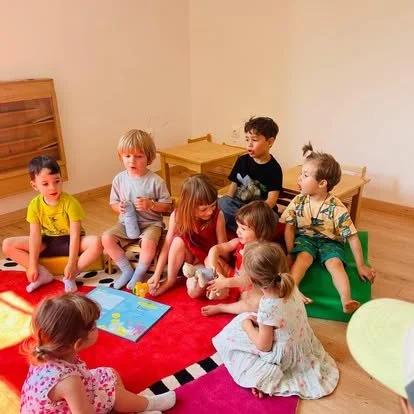
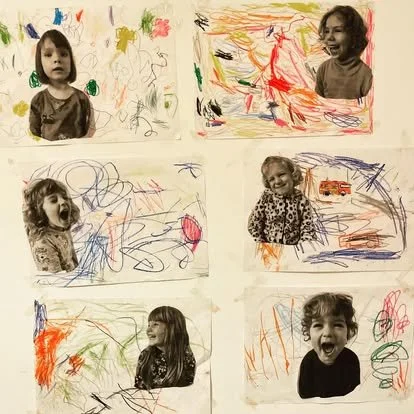
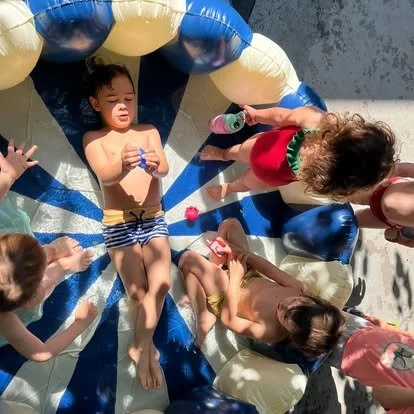
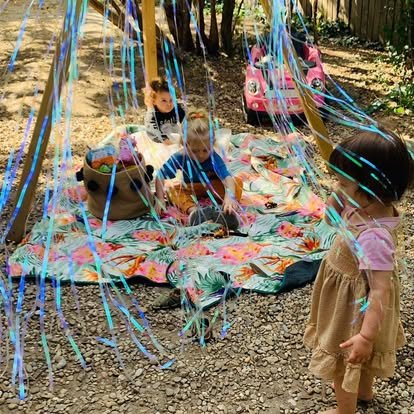
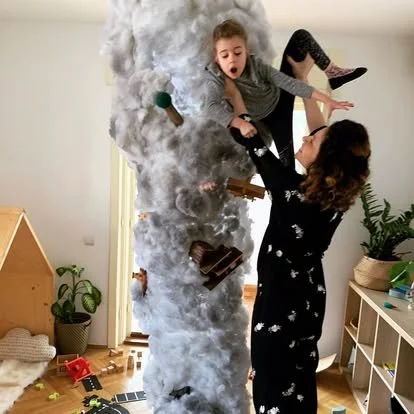
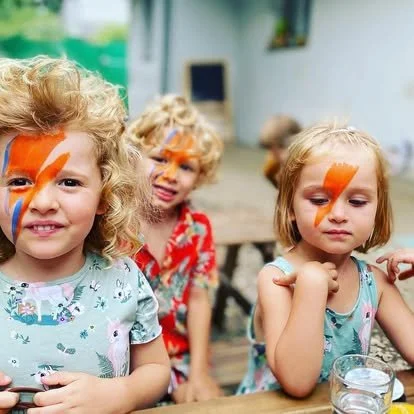
FFB Beyond ClassroomRooted in the values of care, creativity, autonomy and collaboration, FFB extends beyond the classroom. Our model can be embedded within residential neighbourhoods , office environments and community hubs, creating opportunities for learning, interaction and cultural engagement across generations.
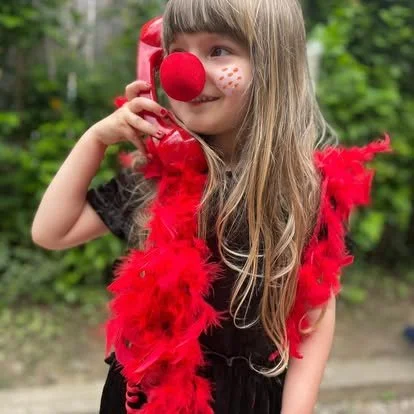
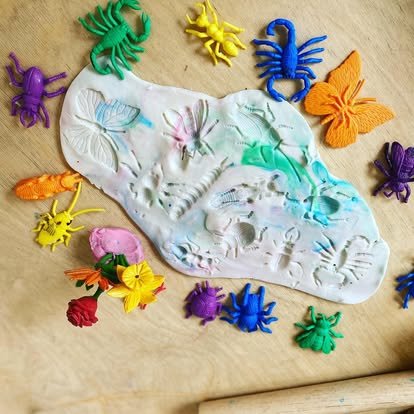
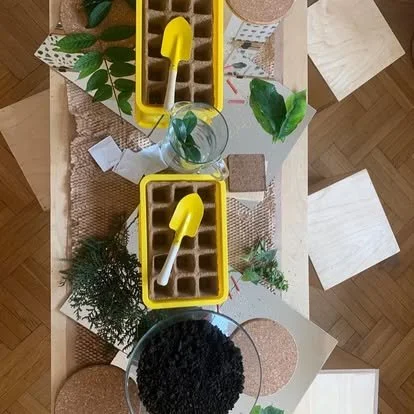
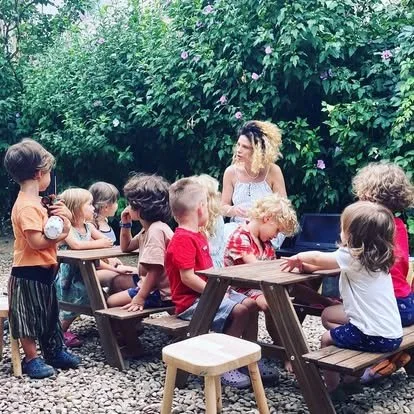
Educational PhilosophyLearning as a living process. At FFB, learning is not something delivered to children. It is something children actively construct through play, inquiry, experimentation and collaboration. Our approach draws inspiration from three educational traditions:
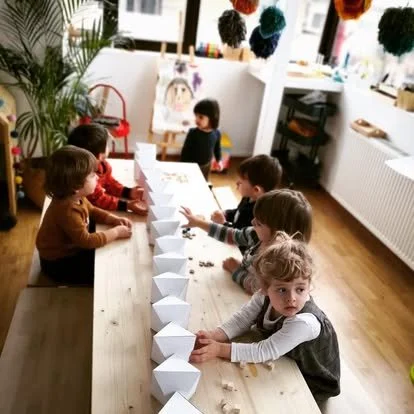
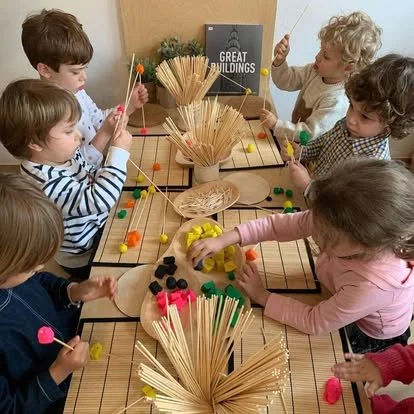
Reggio Emilia: Children are capable, curious and resourceful learners. Projects emerge from their interests and evolve through research, collaboration and creative expression.
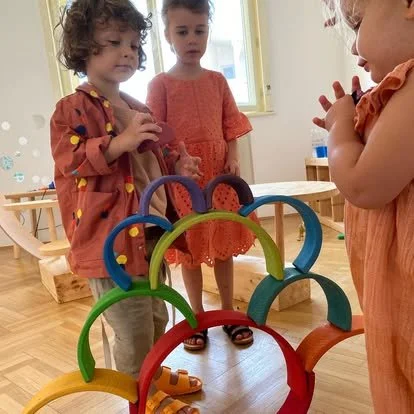
Montessori: Independence, concentration and responsibility grow through freedom of choice and respect for each child's individual rhythm.
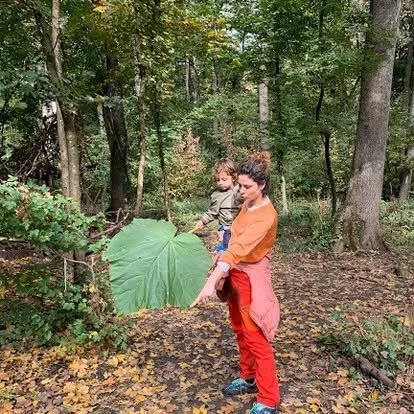
Waldorf: Stories, imagination, artistic practice and connection with nature nurture emotional intelligence and creativity.
Together, these influences help us create a rich learning environment where children develop both confidence and curiosity.
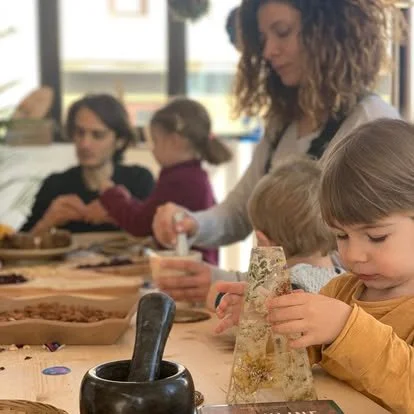

ProgramsSnowdrops
Ages 2–4
A gentle beginning. Through movement, sensory experiences, play and relationships, children build confidence, independence and a sense of belonging. Each day offers opportunities to explore, create and discover at their own pace.
Fireflies
Ages 4–6
A time for deeper exploration. Children investigate ideas, collaborate on projects and develop the skills needed to navigate the world with curiosity and confidence. Creative thinking, problem-solving and meaningful participation become part of everyday learning.
Wildflowers
Ages 6–8
A bridge between childhood and the wider world. Children take on longer-term projects, strengthen their ability to think critically, work collaboratively and express their ideas with confidence. Learning becomes increasingly self-directed, while creativity, empathy and curiosity remain at the center of the educational experience.
Learning Community